Professional Heating Repair in Elgin IL for Efficient Performance
When a heating system starts to slip, it rarely fails all at once. More often, the clues show up in quieter ways. A furnace runs longer than it used to. One room feels fine while another never quite warms up. Utility bills climb even though the thermostat setting has not changed. Those small shifts matter, especially in an Illinois winter where reliable heat is not a luxury but a daily necessity.
Professional heating repair in Elgin IL is not only about restoring warmth after a breakdown. It is about protecting efficiency, extending equipment life, and keeping performance steady when outdoor temperatures drop hard. Homeowners often think of repair as a reactive service, something you call for only when the furnace stops completely. In practice, the best repair work catches problems earlier, corrects airflow and combustion issues, and prevents a minor fault from turning into a major failure.
That distinction matters because heating systems are complex. A modern furnace combines mechanical parts, electrical controls, safety switches, venting components, and airflow management. A symptom that looks simple from the outside can point to several very different causes. Weak airflow could mean a dirty filter, a failing blower capacitor, a restrictive duct, or a blower motor beginning to wear out. Short cycling might be a thermostat issue, an overheating condition, a flame sensing problem, or a clogged condensate line on a high efficiency unit. A trained technician does more than replace parts. They diagnose the actual problem, measure performance, and verify safe operation before they leave.
Why efficient heating repair matters in Elgin
Elgin homes deal with real seasonal swings. The same property that needs dependable furnace performance in January may need air conditioning service a few months later. That is why experienced heating and air conditioning Elgin IL providers look at the whole system rather than treating every call as an isolated event. The ductwork, thermostat settings, filtration, insulation levels, and equipment condition all influence how well a heating system performs.
Efficiency is not just a manufacturer rating printed on a brochure. It shows up in practical ways. You feel it when the home heats evenly. You see it when run times make sense and utility costs stay within a normal range. You notice it when the system starts cleanly, moves air properly, and does not struggle to maintain temperature during a cold snap.
I have seen plenty of service calls where the furnace itself was not the only issue. In one case, a homeowner was convinced the furnace needed replacement because the back bedrooms stayed cold every winter. The heat exchanger and burners were fine. The real problem was a badly restricted return path and a blower wheel packed with dust, which reduced airflow enough to create comfort problems throughout the house. After cleaning the assembly, correcting the filter setup, and making a few airflow adjustments, the system heated far more evenly. That kind of repair work saves money because it targets the cause instead of guessing at the solution.
Common signs a heating system needs professional attention
Some failures are obvious. No heat, repeated shutdowns, or a furnace that will not ignite leave little room for doubt. Other warning signs build gradually, and those are easy to ignore until performance drops far enough to affect comfort and cost.
Uneven heat is one of the most common complaints. If the living room feels warm but upstairs rooms lag behind, the issue may involve duct balancing, blower performance, thermostat placement, or restricted airflow. A furnace that cycles on and off too often can waste energy and place extra wear on ignition components and motors. Strange noises matter too. A brief startup sound is normal. Repeated banging, squealing, rattling, or humming usually means something mechanical or airflow related needs inspection.
Odors deserve careful attention. A dusty smell at the first startup of the season is common, but persistent burning odors, gas smells, or sharp chemical smells should never be dismissed. Gas furnaces also rely on proper combustion and venting, so any concern about safety should lead to an immediate professional visit.
Higher energy bills often tell the story before homeowners notice comfort issues. When a furnace has to run longer to deliver the same amount of heat, fuel use goes up. That can happen because of dirty burners, weak flame sensing, slipping blower performance, clogged filters, control board problems, or duct leakage. Skilled HVAC repair Elgin IL technicians do not stop at the symptom. They check the system under operation and compare what they find against what the equipment should be doing.
What professional heating repair actually includes
Good heating repair is more disciplined than many people realize. A proper call begins with listening. How long has the issue been happening, under what weather conditions, and what changed recently all help narrow the field. After that, diagnosis should include direct observation and real testing, not just assumptions.
On a typical furnace repair call, a technician may inspect ignition components, flame sensor condition, pressure switch operation, inducer motor performance, blower motor amperage, capacitor readings, filter condition, temperature rise, venting, drain lines on condensing furnaces, and thermostat communication. If the unit is gas fired, combustion related checks are especially important. Safe operation comes first. Efficiency comes right behind it, because a system that is safe but badly out of adjustment still costs the homeowner more than it should.
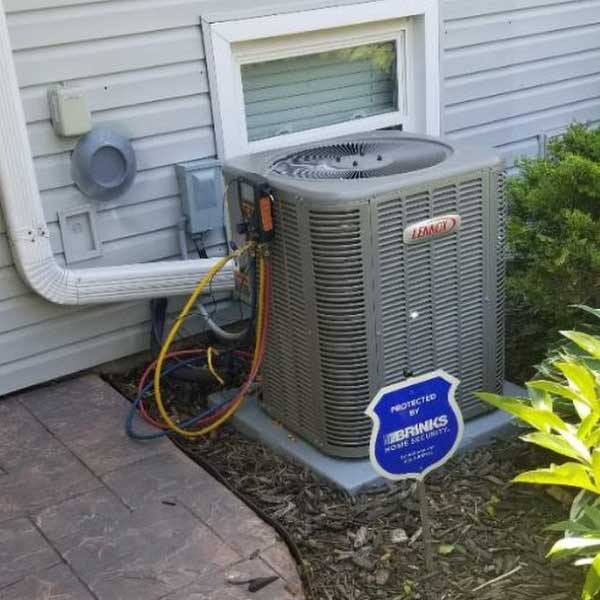
One of the clearest differences between professional and superficial service is verification. Replacing a failed igniter is straightforward. Confirming why the igniter failed, whether voltage is correct, whether the burners light cleanly, and whether the furnace is overheating due to restricted airflow is what separates a complete repair from a temporary patch. Without that second layer of judgment, the same call can repeat itself a few weeks later.
A reputable HVAC company Elgin IL will also be candid about repair limits. Sometimes a targeted fix makes perfect sense. Sometimes the system is showing its age in several areas at once, and the repair only solves one of them. Honest guidance matters because homeowners need a clear picture of where their money is best spent.
The most frequent furnace problems seen in the field
Furnace problems tend to repeat across brands. The details vary, but the same categories come up again and again in furnace repair Elgin IL work.
Ignition failures are common, especially on systems that have seen years of seasonal cycling. A dirty flame sensor can shut a furnace down even when the burners light, because the control board does not receive confirmation that flame is present. Worn igniters also fail with age. Neither issue is exotic, but both require proper handling and testing.
Airflow problems are another major source of trouble. A clogged filter is the simplest example, though it is far from the only one. Dirty blower wheels, undersized returns, blocked supply registers, and failing blower motors can all reduce airflow enough to cause overheating and inefficient operation. High limit trips often trace back to airflow rather than a faulty furnace core.
Control issues can be frustrating because they create intermittent problems. A thermostat may call for heat inconsistently. A loose electrical connection may work one day and fail the next. Aging boards sometimes produce symptoms that mimic other faults. That is where patient diagnostics pay off.
Condensing furnaces add another category, drainage and vent pressure issues. These high efficiency systems do excellent work when maintained properly, but they rely on clean drain paths and proper pressure switch performance. A partially blocked condensate trap or venting issue can interrupt operation and leave homeowners wondering why a relatively newer furnace is shutting down.
Repair versus replacement, making the practical call
Not every heating issue should lead straight to replacement. In many homes, a well built furnace with years left in it only needs a sound repair and some airflow correction. At the same time, not every furnace deserves another expensive part. The right answer depends on age, condition, repair history, efficiency, and the scope of current problems.
If the system is under roughly ten years old, has been reasonably maintained, and the repair is isolated, service is often the best value. If the furnace is well beyond that range, has recurring failures, and struggles with efficiency or comfort even when running, replacement becomes more attractive. Major component failures near the end of equipment life, especially when paired with rising utility bills, often push the decision.
This is where a knowledgeable HVAC contractor Elgin IL earns trust. Homeowners need more than a sales pitch or a quick repair invoice. They need context. How much useful life is realistically left? Does the repair restore dependable performance, or simply buy a little time? Will a new system solve comfort issues that the old one never handled well? Those are practical questions, and they deserve practical answers.
Replacement conversations also tie into the cooling side. If the furnace and air conditioner share airflow problems, or if both pieces of equipment are nearing replacement age, it can make sense to look at the broader heating and air conditioning Elgin IL picture rather than treating each component separately. In homes where cooling performance has also slipped, services like air conditioning repair Elgin IL or even AC installation Elgin IL may come into the conversation as part of a long term plan.
The cost of delayed repair
Waiting can be expensive in ways that are not always obvious. A failing capacitor or dirty flame sensor might be manageable today, but a furnace that continues to short cycle or overheat can put added stress on other components. Blower motors, control boards, igniters, and safety switches all suffer when the system operates outside normal conditions.
There is also the comfort penalty. A furnace that struggles during mild weather often performs much worse during the coldest week of the year, which is exactly when service demand is highest. Scheduling repair before a small problem becomes an emergency usually means better timing, steadier comfort, and fewer surprise costs.
I have seen this play out with neglected filters more times than I can count. Homeowners assume a dirty filter just makes the system work a little harder. In reality, severe restriction can raise furnace temperature enough to trip safety controls repeatedly. That creates nuisance shutdowns, uneven heating, and long run times. If left long enough, it can shorten the life of the blower motor and heat exchanger area components. A low cost maintenance item turns into a repair visit that could have been avoided.
Choosing the right service provider in Elgin
The quality of the repair often depends as much on the company as on the part that failed. A strong HVAC Elgin IL provider should be able to explain what they found in plain language, describe the repair options, and verify the system is operating correctly when the job is done. Good communication is not a luxury in this trade. It is part of competent service.
Look for signs of diagnostic discipline. Did the technician inspect the system as a whole, or did they jump straight to the first likely part? Did they measure, test, and explain? Did they check airflow and safety conditions, or only swap a component and leave? Those details matter because heating systems can hide layered problems.
It also helps to work with an HVAC company Elgin IL that handles the full range of residential comfort needs. A provider that understands both furnace repair Elgin IL and air conditioning repair Elgin IL is often better positioned to spot shared issues such as duct leakage, thermostat mismatches, weak airflow, and electrical concerns that affect both seasons.
Here are a few signs that a repair visit is being handled professionally:
- The technician asks detailed questions about symptoms, timing, and equipment history.
- They perform testing before recommending a part or major repair.
- They explain whether the issue is isolated or connected to airflow, venting, or control problems.
- They verify operation after the repair, including startup and cycling behavior.
- They give a realistic opinion on repair value versus replacement pressure.
That last point matters more than many homeowners expect. Trust grows when a contractor is willing to say, this repair makes sense, or equally, this unit is becoming a money pit and you should know that before you approve another large bill.
Maintenance and repair work together
Maintenance and repair are not the same thing, but they support each other. Preventive service reduces the odds of in season breakdowns and gives technicians a chance to catch weak parts before they fail. Repair restores function when something has already gone wrong. Homes that receive regular tune ups usually see fewer surprise failures, cleaner combustion, better airflow, and steadier efficiency.
That does not mean maintenance prevents every issue. Components still age. Sensors still get dirty. Electrical parts still fail. But a cleaned, inspected, and adjusted furnace is generally easier to diagnose and less likely to suffer collateral damage from hidden problems.
For homeowners, a few habits make a real difference between service visits:
- Change filters on a schedule that matches the filter type, the home, and the presence of pets or dust.
- Keep supply and return vents open and unobstructed by furniture or rugs.
- Pay attention to new noises, odors, or longer run times instead of waiting for a full shutdown.
- Schedule service before peak winter demand if performance starts to slip.
- Ask for an explanation of airflow and safety findings, not just the failed part.
Simple habits cannot replace expert service, but they do help the system operate within a healthier range.
Heating efficiency is about the whole home, not just the furnace
One reason homeowners become frustrated with repeated heating repair Elgin IL calls is that the furnace gets all the attention while the rest of the system gets ignored. If the ductwork leaks into an attic or crawlspace, if returns are undersized, or if the thermostat sits in a poor location, the equipment can appear to be underperforming even when the furnace itself is functioning correctly.
That is why the best technicians ask broader questions. Does the house have chronic cold spots? Were there renovations that changed room layout or airflow needs? Have utility bills climbed over several seasons or all at once? Has the cooling system also struggled in summer? Those clues often reveal that the real issue involves more than one component.
For example, a homeowner may call for HVAC repair Elgin IL because the furnace seems weak, only to discover the blower speed setting is wrong for the heating mode and the evaporator coil above the furnace is dirty from past cooling seasons. That dirt restricts airflow year round, hurting both winter heating and summer cooling. In those cases, furnace repair and air conditioning repair Elgin IL are connected by the same underlying airflow problem.
In replacement scenarios, the heating and air conditioning Elgin IL premierheatac.com same whole system thinking applies. A new furnace installed on old, poorly configured ductwork will not automatically deliver even comfort. And if a homeowner is already considering AC installation Elgin IL in the near future, it makes sense to evaluate equipment matching, blower capacity, and control setup together. Coordinated planning often produces better comfort and better efficiency than piecemeal decisions made season by season.
What homeowners can expect during a professional repair visit
A well run visit should feel orderly. The technician arrives, gathers the history, inspects the equipment, and tests the system under operating conditions. If the unit is not running on arrival, they should still be able to evaluate inputs, controls, safety circuits, and likely failure points. Once the fault is identified, they should explain both the immediate repair and any contributing conditions.
If a part is replaced, the visit should not end there. The system needs to be restarted, observed through a heating cycle, and checked for proper response. Temperature rise, flame behavior, blower operation, and shutdown sequence all tell the technician whether the furnace is actually back to normal or just temporarily running.
Professionalism also shows up in restraint. Good technicians do not inflate simple repairs into major sales events. But they also do not hide serious concerns to avoid an uncomfortable conversation. If a heat exchanger issue, venting problem, or advanced equipment age raises legitimate questions, the homeowner should hear that clearly and without drama.
Steady heat, lower waste, fewer surprises
Reliable heating is one of those household essentials people notice most when it is missing. Yet the bigger value often lies in the periods when everything simply works as it should. Rooms heat evenly. Bills stay predictable. The furnace starts, runs, and shuts down without fuss. That kind of performance usually comes from a combination of timely maintenance, accurate diagnostics, and repair work that addresses causes rather than symptoms.
For homeowners searching for HVAC Elgin IL support, that is the real standard to look for. Not just a quick fix on a cold day, but a technician and an HVAC contractor Elgin IL who understand how to restore safe, efficient performance and keep it there. Whether the need is targeted furnace repair Elgin IL, broader HVAC repair Elgin IL, or a long term plan that includes heating and air conditioning Elgin IL service across the seasons, the goal remains the same, dependable comfort without unnecessary waste.
Professional heating repair Elgin IL should leave you with more than a working furnace. It should leave you with confidence that the system is operating safely, using energy wisely, and ready for the demands of another Illinois winter.